


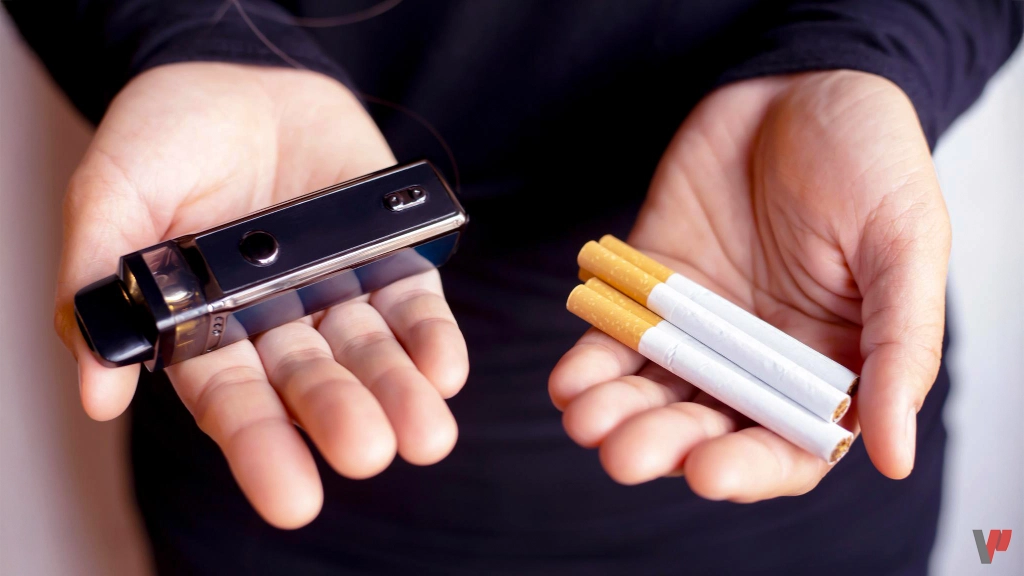
Governments around the world are tightening the screws on smoke-free nicotine products at exactly the moment evidence is showing they’re helping smokers ditch combustible tobacco. From Malaysia to Mexico, New York to Seoul and Baku, policies are increasingly placing vaping devices and nicotine pouches on the same playing field as cigarettes — despite emerging research demonstrating that they work completely differently in terms of risk and quitting outcomes.
Harm reduction pushed underground
In parts of Malaysia, displays of vaping products have been moved quietly behind store counters. What was once a mundane retail transaction now transpires behind closed doors. Yet demand has not vanished. It has simply adapted. Products are of course still available, just promoted and sold less openly.
This pattern is not unique. When access is constrained without eliminating demand, markets normally shift to illegal or informal channels. In fact, history has taught us that because of precisely this, prohibitive approaches have unintended consequences, such as reduced product safety.
Mexico provides a more extreme example. The ban on importing, selling, and distributing vapes (including disposables), refillable systems, and even non-nicotine products is part of a sweeping reform to the General Health Law that was signed into law by President Claudia Sheinbaum Pardo. For travellers, simply bringing a vape through customs could be considered illegal importation, leading to confiscations, fines and possible detention.
Similarly, Azerbaijan is proposing amendments to fine and confiscate import, sale and storage of e-cigarettes and their components. As in the case of Mexico, though framed as public health measures, such enforcement blurs the lines between lower-risk nicotine delivery systems and black market drug cartels. Moreover, this increasingly punitive tone is a stark departure from cessation research.
Numbers don’t lie
A recent randomised clinical trial in Socially Disadvantaged Smokers published in the Annals of Internal Medicine found that participants assigned to nicotine vaping devices had six-month continuous abstinence rates of 28.4 percent, versus just 9.6 percent for participants using traditional nicotine replacement therapies like gum and lozenges. For populations with a history of low cessation success, that difference is significant.
International comparisons add further support to the harm reduction case. Sweden’s decades-long embrace of snus, a non-combustible oral tobacco product, has been accompanied by the lowest smoking and lung cancer rates in Europe. Nicotine is addictive, but it’s combustion, not nicotine itself, that causes cancer, cardiovascular disease and respiratory illness.
Governments increasingly treating nicotine alternatives like cigarettes
Yet even with plenty of such evidence, some policymakers refuse to separate smoke-free products from combustible tobacco and instead treat them interchangeably. In New York, Gov. Kathy Hochul has put forward a budget provision to tax nicotine pouches at rates similar to those on cigarettes, and (to the shock of many) described the difference between the products as negligible.
But cigarettes burn tobacco, producing tar and thousands of toxic byproducts. Nicotine pouches do not. Equalising taxes threatens one of the strongest incentives for smokers to switch: price differences.
We already know from research on vape taxes that a substitution effect occurs. When demand for safer nicotine products increases, their prices rise, causing some consumers to return to combustible cigarettes. In a state with some of the highest cigarette taxes in the country and an active black market, closing that price gap wil likely backfire by preserving smoking, not reducing it.
Meanwhile, South Korea has adopted an approach that expands its Tobacco Business Act to treat synthetic nicotine like a traditional tobacco product. From April, nicotine products will have to carry standardised health warnings, so they can no longer be advertised or sold in vending machines. And while experts in the field are concerned about how this erodes important barriers between combustible and non-combustible products, at least the framework permits regulated sales that include age verification rather than blanket bans.
The government said the change was needed because of enforcement gaps, such as vending machines that lack working age-verification systems. Eliminating loopholes allowing youth access is a valid goal. The challenge is whether regulation can effectively acheive that without undermining adult access to lower-risk alternatives.
What about teen vaping?
In fact, concerns over youth uptake often underpin such restrictive policies. But in the United States, youth vaping has fallen sharply since its peak in 2019, and nicotine pouch use among high school students is still low in national surveys.
Youth protection and adult harm reduction are not oil and water. Licensing systems, strict age verification, advertising limits, and enforceable penalties can reduce underage sales while preserving adult choice. Despite all the data indicating their effectivity for smoking cessation, non-combustible nicotine products are increasingly spoken of in the same breath as cigarettes or even illegal drugs.
Smokers’ needs ignored?
For millions of smokers struggling to quit, harm reduction tools are not abstract policy debates. Substitution has been a strategy the field of public health has long understood — seatbelts instead of prohibiting driving, needle exchanges instead of turning a blind eye to injection drug use. Tobacco harm reduction works on the same principle: As long as nicotine is used, switching from combustion to something else can greatly reduce risk.
The main policy question is not whether nicotine products should be regulated. They should. The question is when will regulation catch up and respond to the continuum of risk.
