


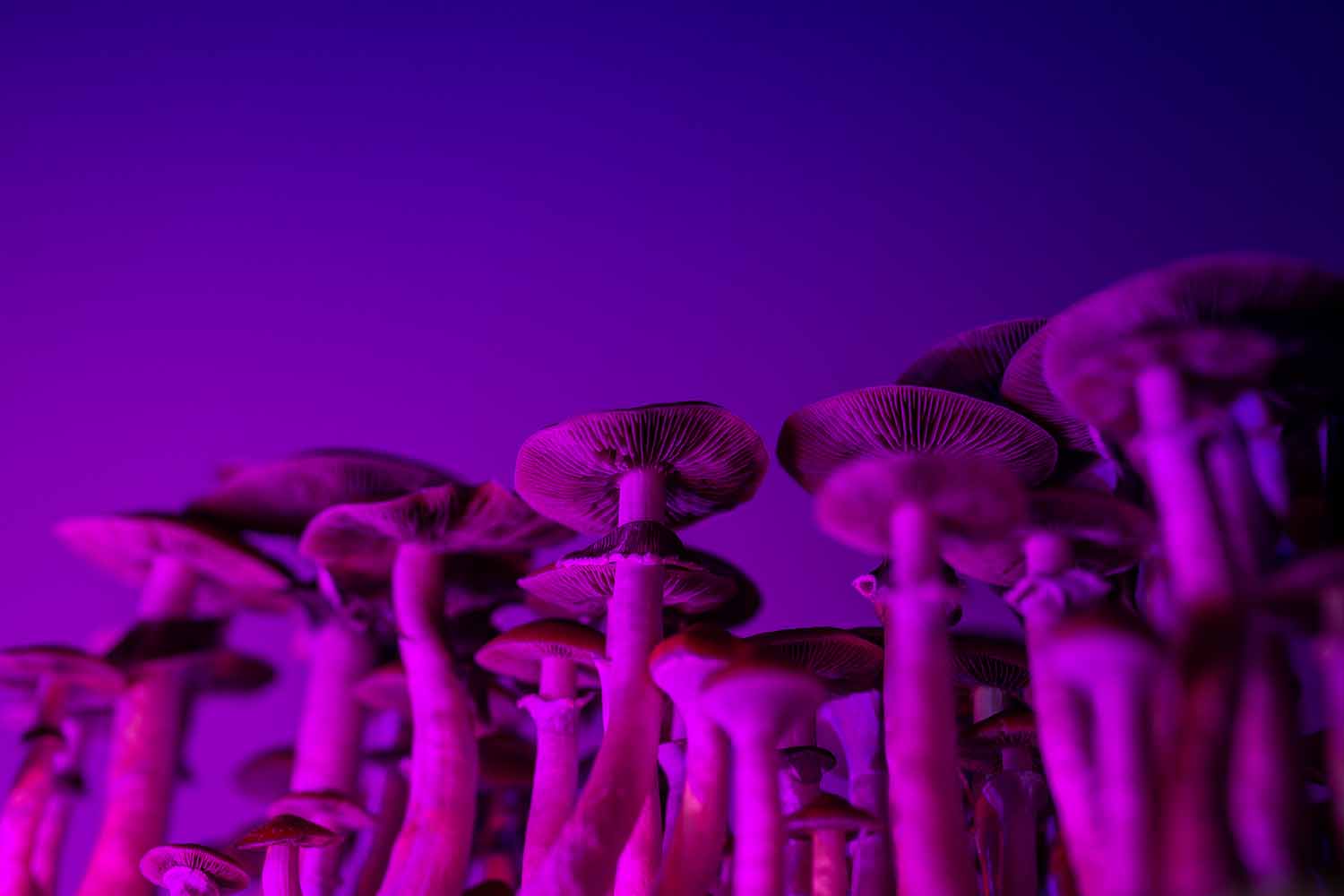
Researchers from Johns Hopkins University have found that psilocybin could be used as a tool in the fight against post-treatment Lyme disease (PTLD), a currently untreatable neurological condition in which patients report a wide range of symptoms, including brain fog and fatigue, according to a pilot study published in the journal Scientific Reports.
In the study, a small cohort of 20 people living with PTLD were given two low-to-medium doses of the chemical psilocybin alongside psychological support during an eight-week intervention period
Participants showed significant improvements in overall symptom burden and quality of life that persisted up to six months after the final dose, with symptom burden reduced by 40% at the six-month mark.
The treatment was found to be safe and well-tolerated, with no serious adverse events. The most common side effects were transient high blood pressure, headache, and increased heart rate during or shortly after dosing sessions.
The data collected by researchers showed that participants responded favourably to the psilocybin treatment, with significant improvements seen in quality of life and symptom burden. Mental and physical quality of life scores increased by approximately 13%, while measures of depression, fatigue, sleep disturbance, and pain also showed substantial improvements that remained better than baseline across all follow-ups.
Prior to their first dose, participants were given ‘standardised psychoeducation’ sessions where they learned about the effects of psilocybin. They also had a review of their life in which they discussed their experiences with Lyme disease and any other life events that could be related to their health, such as trauma, relationships, and work history.
Participants received their first dose of psilocybin, 15mg, at week four of the study-intervention and their second dose two weeks later, where most of the cohort received 25mg, although some, for reasons of tolerance, received another 15mg dose.
“After each psilocybin session, participants completed a follow-up integration meeting within 3 days to assess their mental status and document any adverse events. Weekly meetings with facilitators were conducted through week 8 to discuss the contents of participants’ psilocybin session and to monitor their overall progress,” the study author explains.
Once they had completed their eight-week study intervention period, participants attended regular follow-up assessments at one, three, and six months following their final psilocybin
The researchers concluded that the findings were “sufficiently positive to encourage additional randomised controlled research with psilocybin in patients with PTLD”.
Lyme disease is caused by the bacterium Borrelia burgdorferi and is transmitted to humans through the bite of infected ticks. It is the most common vector-borne disease in the United States and Europe. While most cases can be successfully treated with antibiotics, an estimated 10–20% of patients develop PTLD, experiencing persistent symptoms including fatigue, pain, cognitive difficulties, mood disturbance, and reduced quality of life despite treatment. There are currently no established treatments for PTLD.
Psilocybin is found in psychoactive mushroom species. It has been studied extensively in the past decade for its potential to treat depression, fight fatty liver disease, combat ageing, help with opioid addiction, and more.
