


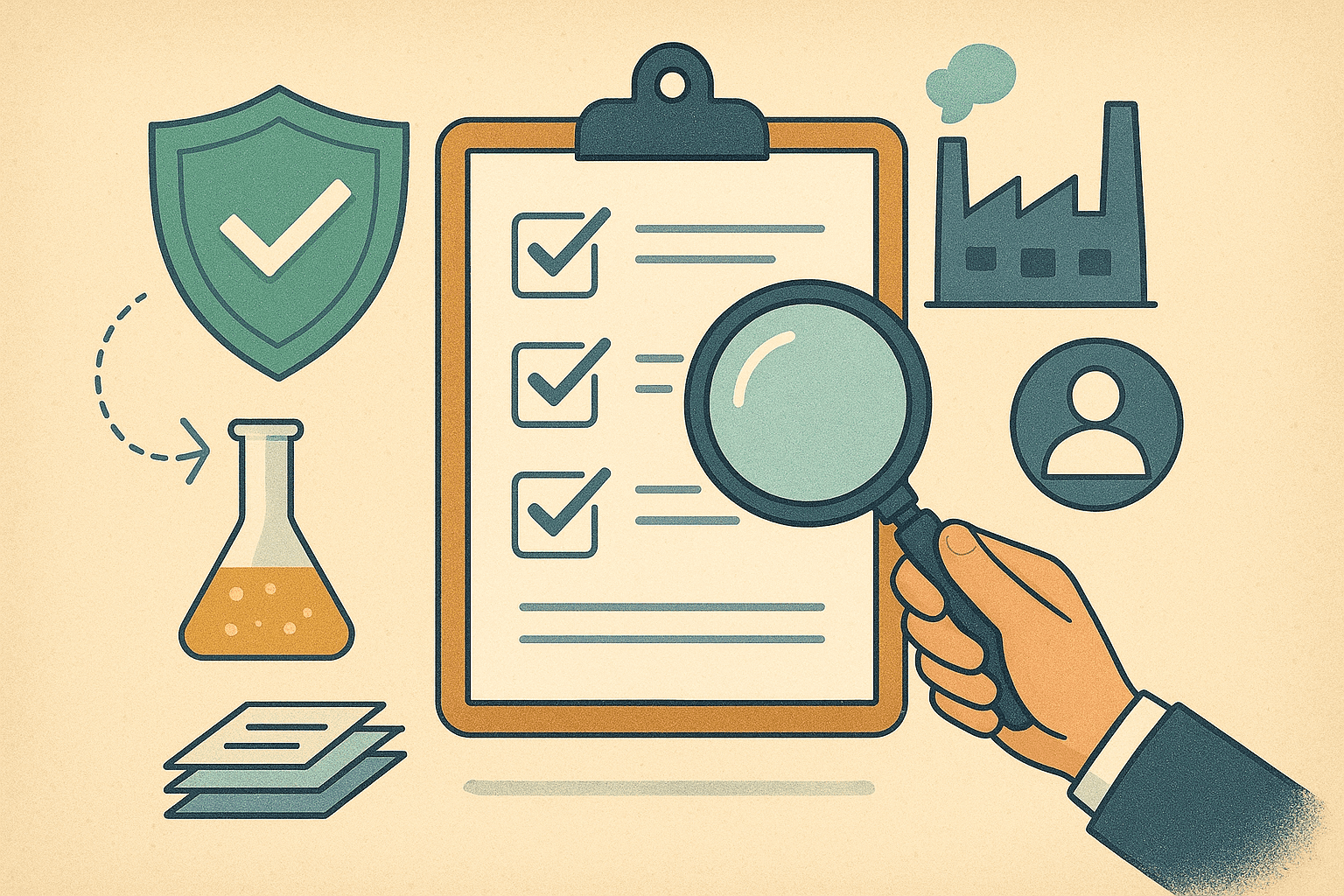
In a marketplace filled with countless choices, trust is the foundation of every purchasing decision. Shoppers want to feel confident that the products they buy are safe, reliable, and of the quality promised on the label. Third-party testing has become an essential tool in bridging the gap between businesses and consumers, providing independent validation that products meet specific safety and quality standards.
Consumers are more informed than ever. They read labels, investigate ingredients, and often research the processes behind production. Without verification from independent laboratories, it can be difficult for customers to know whether a product’s claims are genuine. Third-party testing steps in to remove doubt, offering unbiased assurance that helps build confidence.
At its core, third-party testing represents honesty and accountability. By submitting products to external scrutiny, companies demonstrate a willingness to be transparent. This openness strengthens the relationship between businesses and their customers, fostering loyalty over the long term.
Understanding the Basics of Third-Party Testing
Third-party testing refers to the process in which an independent, accredited laboratory evaluates a product’s safety, quality, and composition. Unlike internal testing carried out by the manufacturer, third-party assessments are free from conflicts of interest. The results are impartial and, therefore, hold more weight in the eyes of consumers.
These tests can include chemical analysis, contamination screening, material verification, or compliance checks with relevant standards and regulations. The level of detail in the reports allows consumers to see exactly what is inside a product, making the buying process more transparent.
For industries such as food, wellness, supplements, cosmetics, and electronics, third-party testing is no longer a luxury but a necessity. Consumers expect proof that products are safe to use and meet both national and international quality requirements.
The Connection Between Safety and Trust
Safety is one of the most important factors influencing consumer trust. When customers use products, whether they are dietary supplements, skincare creams, or electronic devices they are placing their health, well-being, or security in the hands of the manufacturer.
Any lapse in quality control or hidden issue can quickly erode trust and damage a brand’s reputation. Independent testing provides an extra layer of protection, ensuring that harmful substances, defects, or contaminants are identified before products reach store shelves.
For example, third-party laboratories may test for heavy metals, pesticides, allergens, or toxic chemicals. By catching potential risks early, these checks prevent unsafe items from entering the market. For consumers, knowing that such rigorous safety measures are in place reassures them that their health is being prioritised.
Transparency as the Key to Consumer Confidence
Trust cannot exist without transparency. Shoppers want brands to be upfront about what goes into their products and how they are made. Third-party testing offers this clarity by producing detailed, unbiased reports that can be shared with consumers.
These reports may confirm the accuracy of ingredient lists, certify compliance with regulations, or highlight quality metrics. The very act of making these results publicly available signals honesty, which resonates strongly with today’s discerning consumer base.
By ensuring that the information provided on labels aligns with verified test results, businesses eliminate misinformation. Consumers gain peace of mind, knowing that there is nothing hidden behind marketing claims. Transparency builds not only trust but also credibility, which is vital for long-term relationships between brands and their customers.
Compliance with Regulations and Standards
Governments and regulatory bodies establish rules to protect public safety and ensure fair competition. In many industries, third-party testing is necessary to demonstrate compliance with these standards. Without it, companies risk fines, recalls, or even bans on their products.
For consumers, this compliance is further assurance that products are trustworthy. When an item carries certifications backed by independent testing, shoppers can be confident that it meets the strictest legal and safety requirements.
Beyond meeting minimum legal obligations, some companies go further by adopting voluntary third-party certifications. These can cover sustainability practices, ethical sourcing, or higher safety thresholds. While not legally required, such steps further enhance consumer trust, as they demonstrate a proactive commitment to responsibility and quality.
The Psychology of Trust in Consumer Behaviour
Trust plays a powerful role in decision-making. When shoppers believe a product is safe and reliable, they are more likely to purchase it, recommend it to others, and remain loyal to the brand. Third-party testing helps nurture this trust by offering proof rather than promises.
From a psychological perspective, consumers prefer evidence over claims. Marketing slogans or brand statements can only go so far; scientific validation carries far more weight. A test result from a neutral authority acts as tangible evidence that reassures sceptical customers.
This reassurance reduces the risk of buyer hesitation. When customers feel confident that their safety and well-being are protected, they are more comfortable completing their purchase. Over time, this positive reinforcement strengthens trust in both the product and the company behind it.
Case Studies of Third-Party Testing in Action
While industries vary, the impact of third-party testing remains consistent: stronger trust and safer products. For instance, in the wellness and supplement sector, testing ensures that labels accurately represent what’s inside. Consumers can check that the product contains the stated dosage and is free from harmful contaminants.
In the electronics industry, independent testing might confirm compliance with safety standards, ensuring that devices will not overheat, malfunction, or pose electrical hazards. Similarly, in cosmetics, third-party testing ensures that formulations are non-toxic, hypoallergenic, and safe for daily use.
Each of these examples highlights the same principle: independent validation builds trust by providing consumers with clear, reliable information. Without third-party testing, uncertainty would dominate, making it harder for shoppers to feel secure in their choices.
Challenges and Limitations of Third-Party Testing
Although third-party testing brings many benefits, it is not without challenges. Costs can be significant, especially for small businesses. Rigorous testing takes time, which can delay product launches. Additionally, navigating different regulations across markets can complicate the process.
For consumers, there can also be confusion. Technical reports may be difficult to interpret without scientific knowledge. To address this, companies often summarise results in easy-to-understand formats while still offering access to full reports.
Despite these challenges, the advantages of independent testing far outweigh the drawbacks. Consumers consistently value the peace of mind it provides, making it a worthwhile investment for ensuring long-term trust.
The Future of Consumer Trust and Testing
As consumer expectations evolve, the role of third-party testing is likely to grow even more important. With increasing concerns over product safety, ethical practices, and environmental impact, independent verification will remain at the centre of consumer trust.
Technological advancements may also make testing faster, more accurate, and more accessible. Real-time verification, digital certificates, and blockchain-based transparency systems could soon enhance how consumers access and understand product data.
In this future landscape, trust will not be built on words alone but on verifiable proof. Third-party testing will continue to serve as a cornerstone of consumer confidence, helping ensure that safety and transparency remain at the heart of every purchase decision.
Conclusion
Consumer trust is the foundation of every successful product. In a competitive market where promises are abundant, third-party testing verifies that shoppers need to feel safe and confident. By ensuring safety, promoting transparency, supporting regulatory compliance, and offering independent validation, these tests play a vital role in protecting consumers.
While challenges exist, the benefits are undeniable. Third-party testing bridges the gap between uncertainty and confidence, making it one of the most powerful tools for building long-lasting consumer trust. In a world where trust is hard-earned but easily lost, impartial validation remains a necessity rather than an option.
