


Vaping often raises a question that doesn’t have an easy answer: Does nicotine cause anxiety or help it? For many, the first vape of the day feels like a release. The stress seems to lift, and the moment feels calmer. Yet for others, the same nicotine hit sparks racing thoughts, restlessness, or tension. This back-and-forth experience has been documented for decades in both smoking and vaping research, and the science shows that nicotine can act like a double-edged sword.
Understanding whether nicotine helps or worsens anxiety matters for anyone who vapes daily. The answer connects to how nicotine works in the brain, how it interacts with stress systems, and how dependence builds over time.
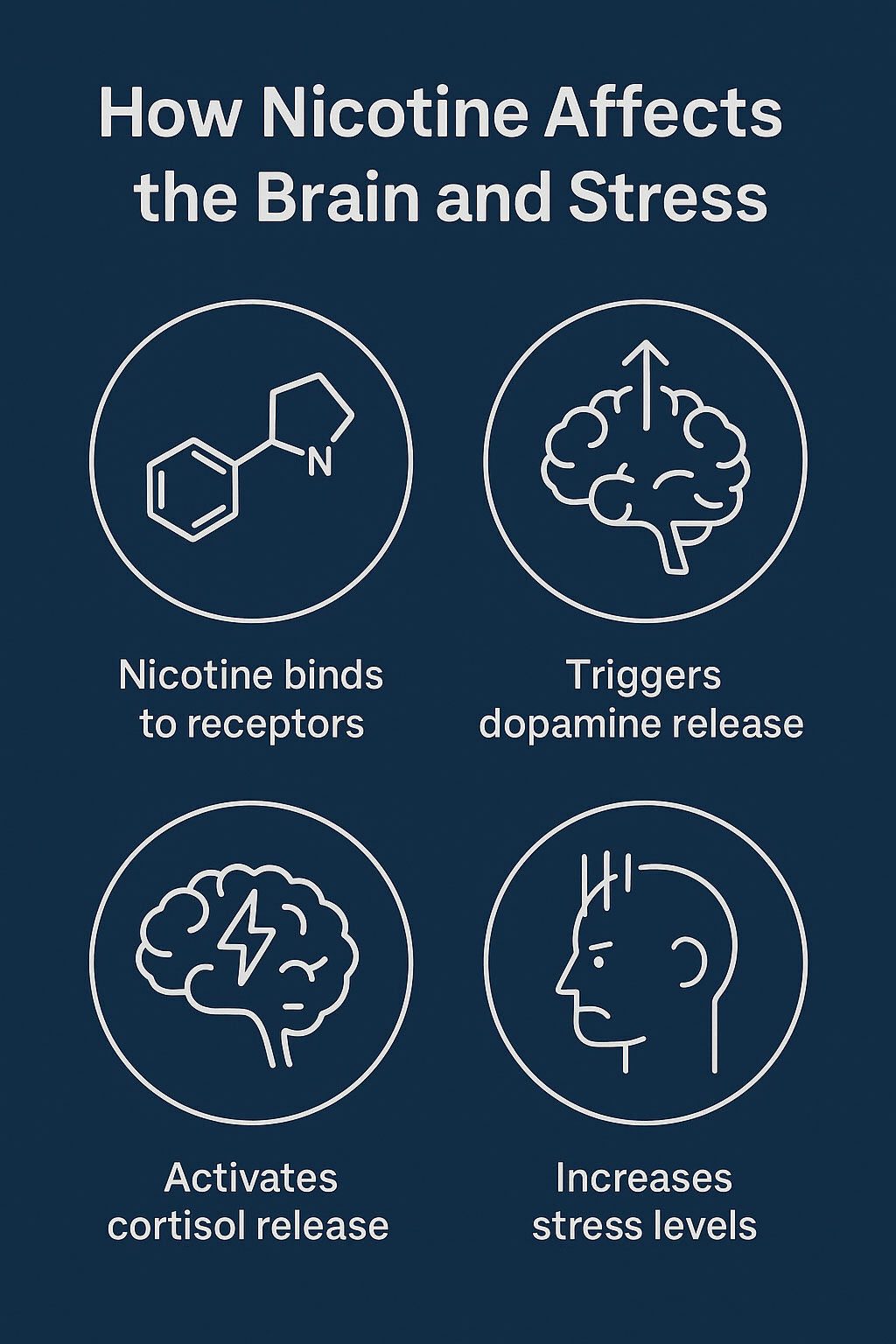
How Nicotine Affects the Brain and Stress
Nicotine is a stimulant that interacts with receptors in the brain tied to dopamine and adrenaline. When inhaled, it enters the bloodstream quickly and creates a fast surge of neurotransmitters. For some, that release creates a calm or focused state. The body perceives relief not because nicotine itself removes anxiety, but because it eases the tension caused by withdrawal.
This cycle explains why vaping can feel calming after long gaps between use. Anxiety builds as nicotine levels drop, and the next inhale provides what feels like relief. The calmness is temporary, and as the effect fades, the brain begins craving again. Over time, this rollercoaster can make stress and anxiety feel stronger rather than weaker.
The science goes deeper at the receptor level. Nicotine binds to nicotinic acetylcholine receptors in the brain, which then trigger the release of dopamine. That dopamine spike feels rewarding and explains why the next hit feels so tempting. At the same time, nicotine stimulates cortisol, a stress hormone. The dopamine effect is short-lived, often lasting only minutes, while cortisol lingers much longer. This is why someone can feel calm for a moment but restless again soon after.
With repeated use, tolerance begins to build. The brain reduces sensitivity to these receptors, which means the same nicotine level produces less relief. That balance pushes people into using more frequently to chase the calm, while the background level of stress hormones stays high.
Our article on nicotine and dopamine expands on how the brain’s reward system drives the need for “just one more hit,” which often plays into the anxiety cycle.
Does Nicotine Cause Anxiety or Help It? The Paradox
The paradox of nicotine is that it can feel like it reduces stress while contributing to it at the same time. Short-term, it might make you feel less anxious. Long-term, it often amplifies the very feelings people want to avoid.
Research on smoking shows that people with anxiety disorders have higher rates of nicotine dependence. While nicotine can create a sense of calm for a moment, studies point out that the relief comes from correcting withdrawal symptoms, not from easing true anxiety. This pattern means nicotine is both the cause and the temporary fix.
For vapers, this raises an important point. If anxiety seems tied to whether or not you’ve had a hit, the substance itself is shaping the cycle. That doesn’t mean the feelings aren’t real; it means the root of the stress might be linked to nicotine rather than life outside of vaping.
Anxiety, Dependence, and Withdrawal
Nicotine withdrawal is a significant reason anxiety spikes. When someone goes hours without vaping, restlessness and irritability often set in. These are classic withdrawal symptoms, and many mistake them for natural anxiety. The brain begins to associate relief with vaping, making the pattern even stronger.
Over time, this cycle builds dependence. Research on withdrawal symptoms, covered in our breakdown of How to Stop Vaping 5% Nicotine, shows that anxiety often peaks within the first few days of quitting. That spike isn’t proof that nicotine reduces anxiety: it shows how much the body has adapted to needing it.
The withdrawal process has a predictable timeline. Within hours of the last hit, many experience irritability and difficulty focusing. By day two or three, anxiety and cravings often peak. These symptoms usually start to taper off within a week, but in some cases can last longer depending on the level of dependence. Understanding this timeline helps separate everyday stress from the unique pressure caused by withdrawal.

It’s also helpful to distinguish between natural anxiety and nicotine-driven anxiety. If feelings of restlessness appear only when vaping has been skipped, that’s a strong indicator of withdrawal. If anxiety persists regardless of nicotine levels, it may point to an underlying condition separate from vaping. For many, recognizing this difference brings clarity and helps reshape how they view the cycle.
Triggers also play a significant role. Coffee breaks, driving, or even sitting down with friends can become cues that spark both cravings and anxious feelings. The brain wires these everyday moments to expect nicotine, and when the hit doesn’t arrive, stress builds quickly. That pairing of habits and chemicals creates a loop that feels difficult to break.
Tying It Back to The Effects of Vaping
This topic fits into the broader question many ask: What are some common risks for vaping? Anxiety is only one part of the picture. Nicotine dependence affects mood, focus, and sleep, while vaping habits themselves can change how people experience daily life. Looking at anxiety in isolation misses how interconnected vaping is with other physical and psychological effects.
Sleep disruption is a strong example. Nicotine stimulates the nervous system and can interfere with deep sleep. Poor sleep, in turn, increases the likelihood of anxious thoughts during the day. This cycle shows how nicotine’s reach goes beyond the moment of vaping: it shapes daily rhythms that make stress more complicated to manage.
The way nicotine is perceived also adds to the confusion. While many vapers view vaping as a relaxant, science indicates that nicotine is a stimulant. That disconnect explains why the lived experience of relief doesn’t match the long-term evidence of increased stress. By connecting these dots, the bigger picture of vaping’s effects comes into view.
Studies also show that smoking cessation or tapering nicotine often leads to reduced anxiety and improved long-term mood. While the early withdrawal phase can be uncomfortable, the body eventually resets to a more stable baseline. This outcome is an important reminder: what feels like help in the short term may be contributing to the very stress people want to escape.
What This Means for Daily Vapers
For someone who vapes regularly, nicotine may feel like a solution for stress. The science shows it’s more of a short-term patch that can intensify anxiety in the long run. That doesn’t mean the relief you feel isn’t real. It means the cause and effect are more complex than they appear at first.
Understanding how nicotine works can give you clarity on the question: Does nicotine cause anxiety or help with it? The relief may be short-term and temporary, but it may not be suitable for long-term anxiety management. While a quick hit can calm the nerves, nicotine dependence can often lead to stronger anxious feelings, which may inadvertently affect your overall mood.
For anyone who is considering handling their nicotine dependence, exploring how nicotine affects anxiety is a vital point to consider. Paired with healthy routines and awareness of withdrawal, nicotine education helps bring balance back into focus.
